

Digital Platform
Welcome to the portal to the Marine Beacon Digital Platform, an interactive space for discussing bycatch mitigation and the accidental capture of protected, endangered and threatened marine species.
Each discussion focuses on a specific issue, such as risks to a species or the effectiveness of a mitigation approach. Contributors are invited to respond to open questions, share insights from their own work or sector and help identify what is known, what remains uncertain and where further action may be needed.
Explore the active discussions below, or visit the Digital Platform homepage to browse all available topics.
Current Topics
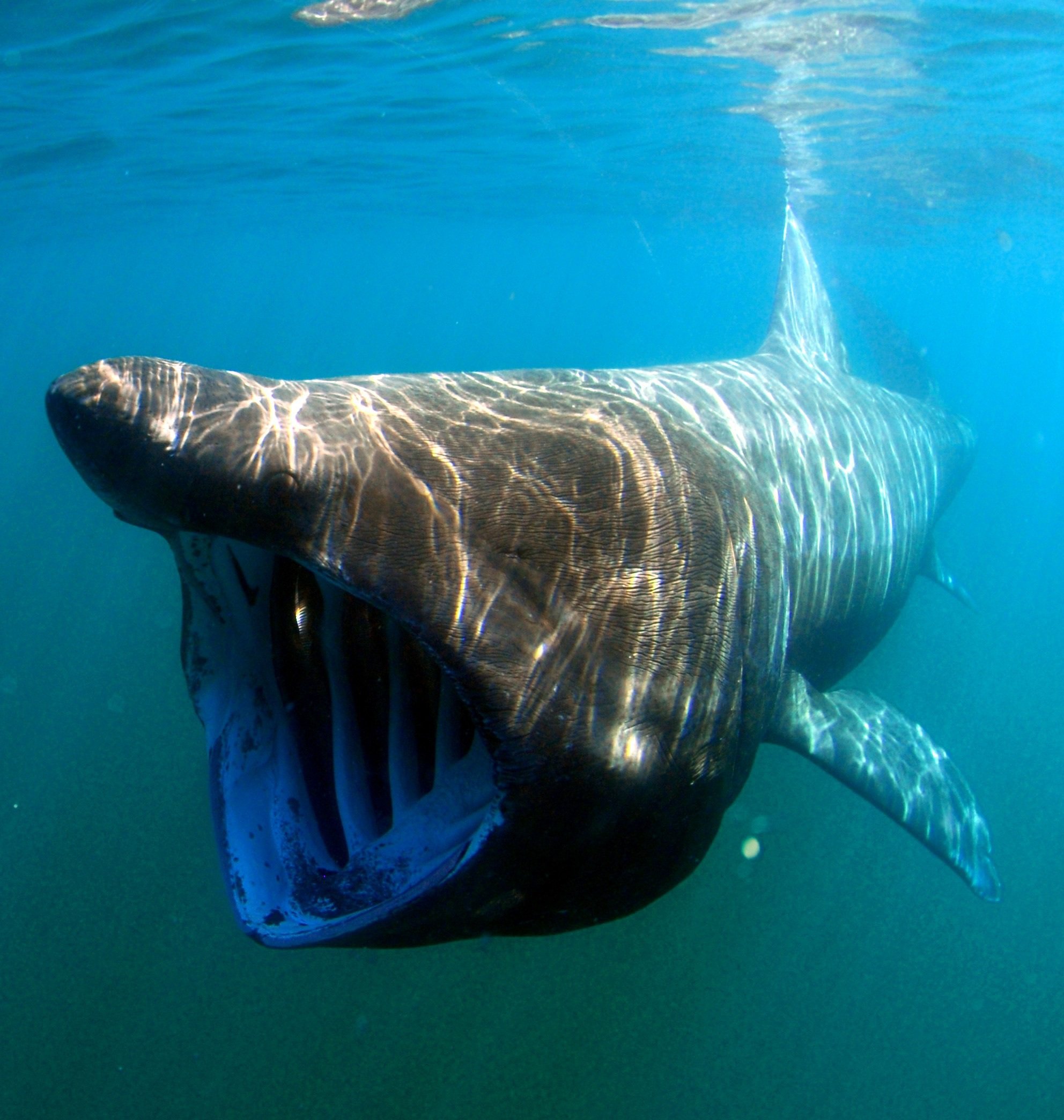
Basking Sharks at Risk
Following recent discussions at the International Conference on Basking Shark, Marine Beacon is inviting further input on the risks facing this species, including bycatch, vessel interactions and changing environmental conditions.
A summary of the workshop findings is available, alongside opportunities to contribute your perspective through a short survey and open discussion.
Explore the topic and take part in the discussion on the Digital Platform!
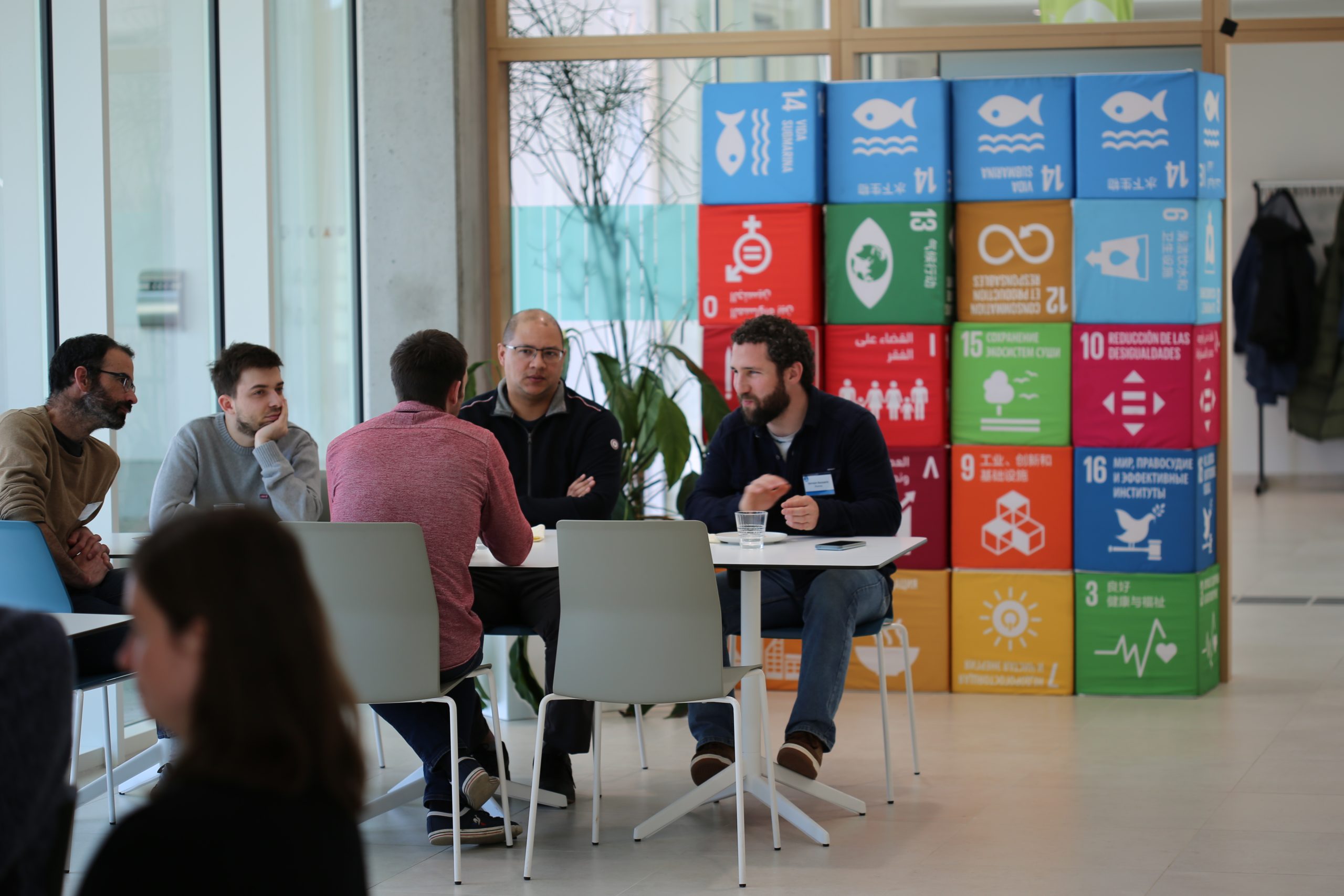
Improving Public Awareness of Bycatch
Bycatch is a major conservation concern, but it is not always well understood by the public. Communication needs to be clear, trustworthy and engaging, while still reflecting the science accurately.
This discussion explores which approaches, from expert explanations and documentaries to storytelling, humour and social media content, can best support public understanding and engagement. We invite citizens, fishers, retailers, NGOs, scientists, communicators and policymakers to share their views through the discussion and short survey.
Join the discussion and complete the 10-question survey.
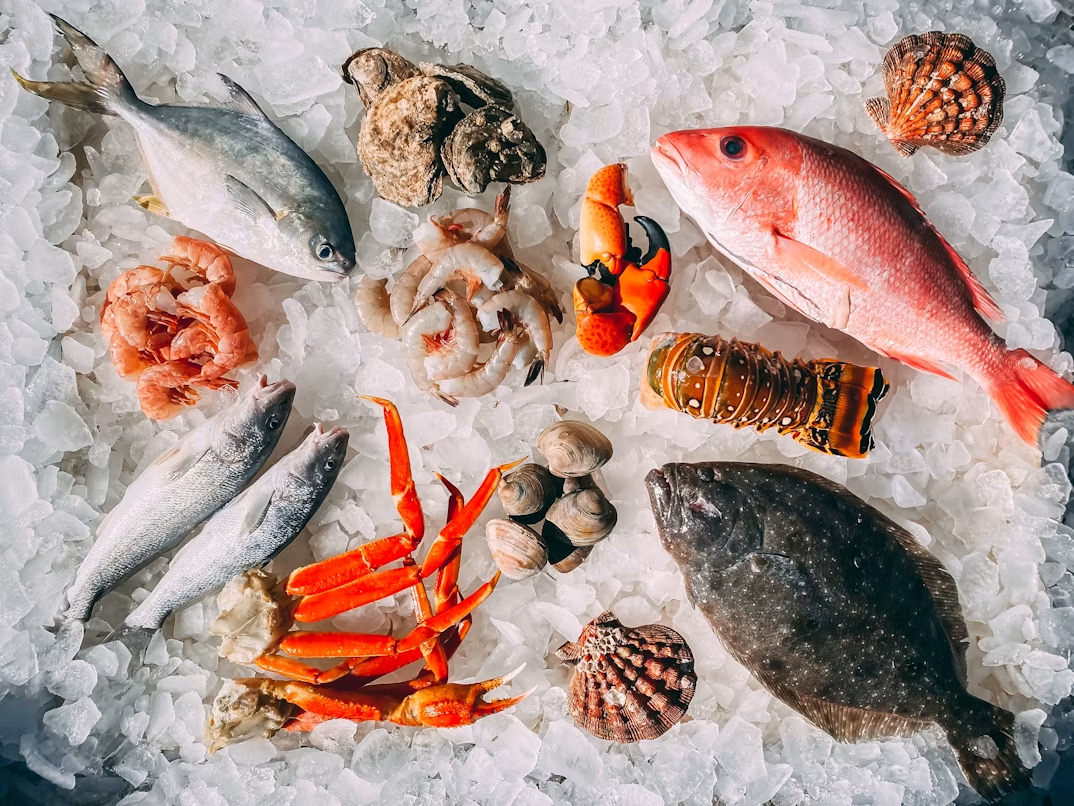
Consumers Care About Bycatch, But What Helps Them Act?
Many consumers care about marine biodiversity and bycatch, but may be unsure how this concern should influence their seafood choices. Labels, fishing methods, price, availability and trust in information can all affect whether people feel able to act.
This discussion explores what kinds of guidance could help consumers make more informed choices without oversimplifying the issue or creating confusion. We invite citizens, fishers, retailers, NGOs, scientists and policymakers to share their views through the discussion and short survey.
Join the discussion and complete the 10-question survey.
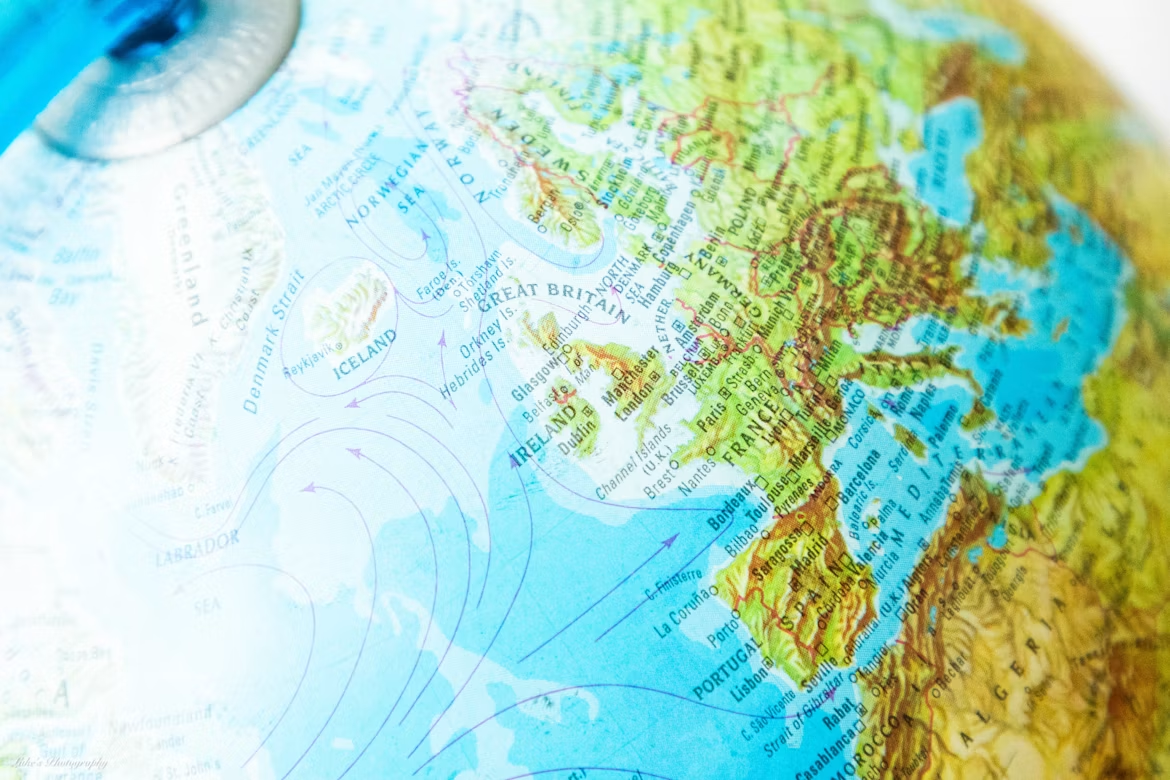
Bycatch in a Global Context
This discussion invites visitors to explore bycatch as part of the wider transition towards environmentally sustainable fisheries. The linked EEA briefing highlights bycatch alongside overfishing and habitat degradation as key pressures on marine biodiversity, and points to the need for stronger implementation of ecosystem-based fisheries management.
Participants are invited to read the linked material, then share reflections, examples or case studies on what this wider context means for bycatch mitigation in Europe and beyond.
Visit the discussion page to read the material and share your perspective.
Scottish Entanglement Alliance
This success story highlights the Scottish Entanglement Alliance, a fisher-led approach to understanding and reducing the entanglement of whales, dolphins, porpoises, basking sharks and turtles in fishing gear.
The discussion invites visitors to explore how collaboration between fishers, scientists and conservation organisations can improve monitoring, build trust and support practical mitigation strategies for entanglement risks.
Visit the discussion page to learn about this example and share your reflections.

Success Stories Wanted
This discussion invites visitors to share real-world examples of actions that have helped reduce bycatch of protected, endangered and threatened species. Examples could include new technologies, improved monitoring, collaborative policy, local engagement or changes in fishing practice.
By gathering success stories, Marine Beacon aims to highlight what is working, identify barriers and incentives for wider uptake, and support further progress across Europe and beyond.
Visit the discussion page to share a success story or example from your experience.

ASCOBANS 2026
This discussion follows the 2026 ASCOBANS Common Dolphin Group meeting, where major findings and calls for action were unveiled on the status of common dolphins in the North-East Atlantic and progress under the Common Dolphin Species Action Plan.
Visitors are invited to engage with the meeting update and help keep the discussion going, including on monitoring, strandings, shifting distributions, bycatch mitigation measures and the need for coordinated action across countries and sectors.
Visit the discussion page to read the update and share your perspective.
MarineGuardian
This discussion introduces MarineGuardian, a sister project of Marine Beacon developing solutions to reduce the environmental impacts of fisheries on marine species and habitats. Its work includes technologies to reduce incidental catches, decision-support tools for real-time fishing advice, operational strategies and improved seafood value-chain data sharing.
As a sister project, MarineGuardian brings complementary work into focus, helping show how different tools, case studies, species, fisheries and stakeholder networks can contribute to wider progress on bycatch mitigation.
Explore the MarineGuardian approach and share reflections on how projects can support shared progress on bycatch mitigation.
A New Mapping Effort for Whales and Shipping
This discussion highlights work from the Atlantic Whale Deal project to map where large whales and maritime traffic overlap across the Atlantic region. The linked update presents new whale distribution and ship density maps, developed using survey data from 2001 to 2024, to support future assessments of ship-strike collision risk.
The discussion now invites visitors to reflect on how this kind of mapping can inform evidence-based mitigation measures, and what further data, collaboration or practical action may be needed to reduce risks to whales in busy shipping areas.
Explore the mapping effort and add your reflections to the discussion.
Acoustic Pingers
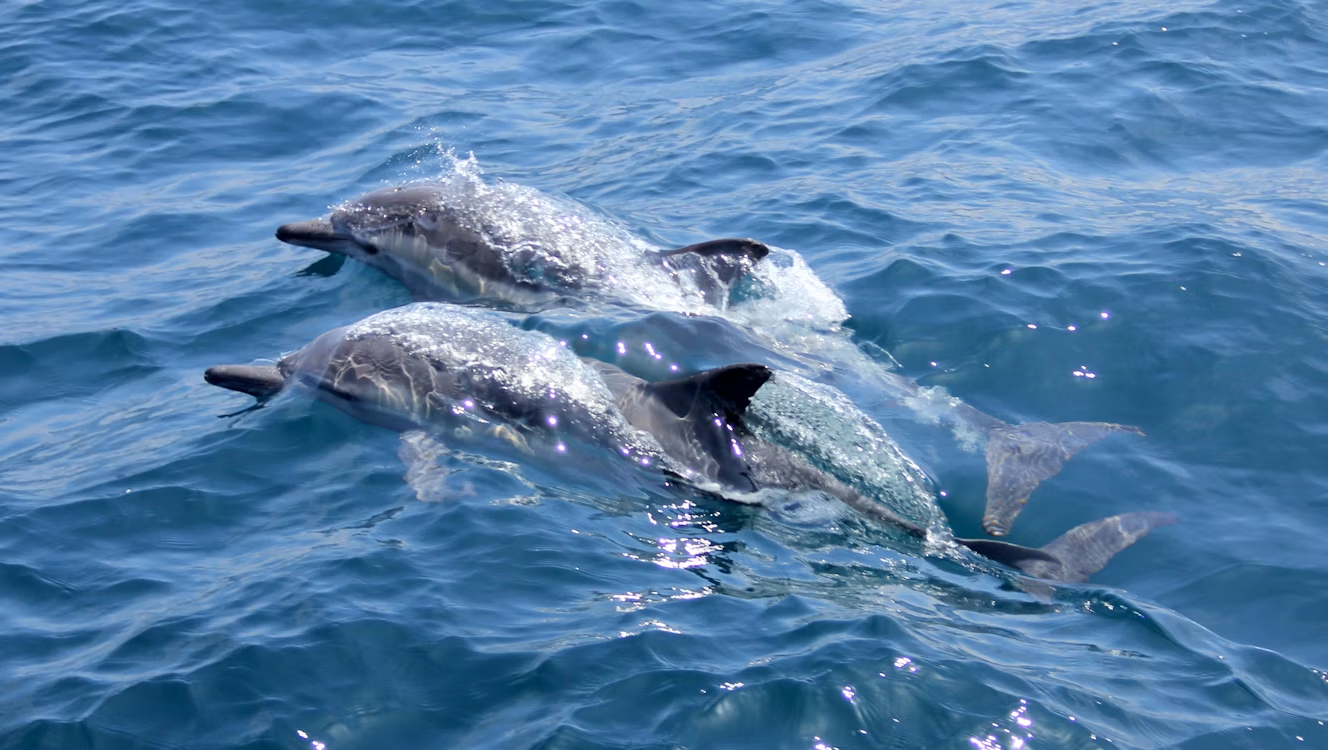
This discussion focuses on acoustic deterrent devices, including pingers, and how they are used to reduce interactions between fishing operations and non-target marine species such as dolphins and porpoises.
Visitors are invited to explore the introductory material, then follow the survey link to share knowledge on how these devices have been used in practice. Contributions will help update understanding of current and historical use, supporting work on noise modelling, behavioural analysis and guidance for evaluating mitigation effectiveness in specific fisheries.
Explore the acoustic pingers material, then complete the survey to share your experience.